Every morning before sunrise, dozens of students in Nthalire, a trading centre in Malawi's northernmost district of Chitipa, begin the long walk to school. For many, the journey stretches beyond ten kilometres along dusty, hilly paths, crossing streams that swell dangerously during the rainy season. By the time they reach their classrooms, exhaustion has already set in, long before the first lesson begins.
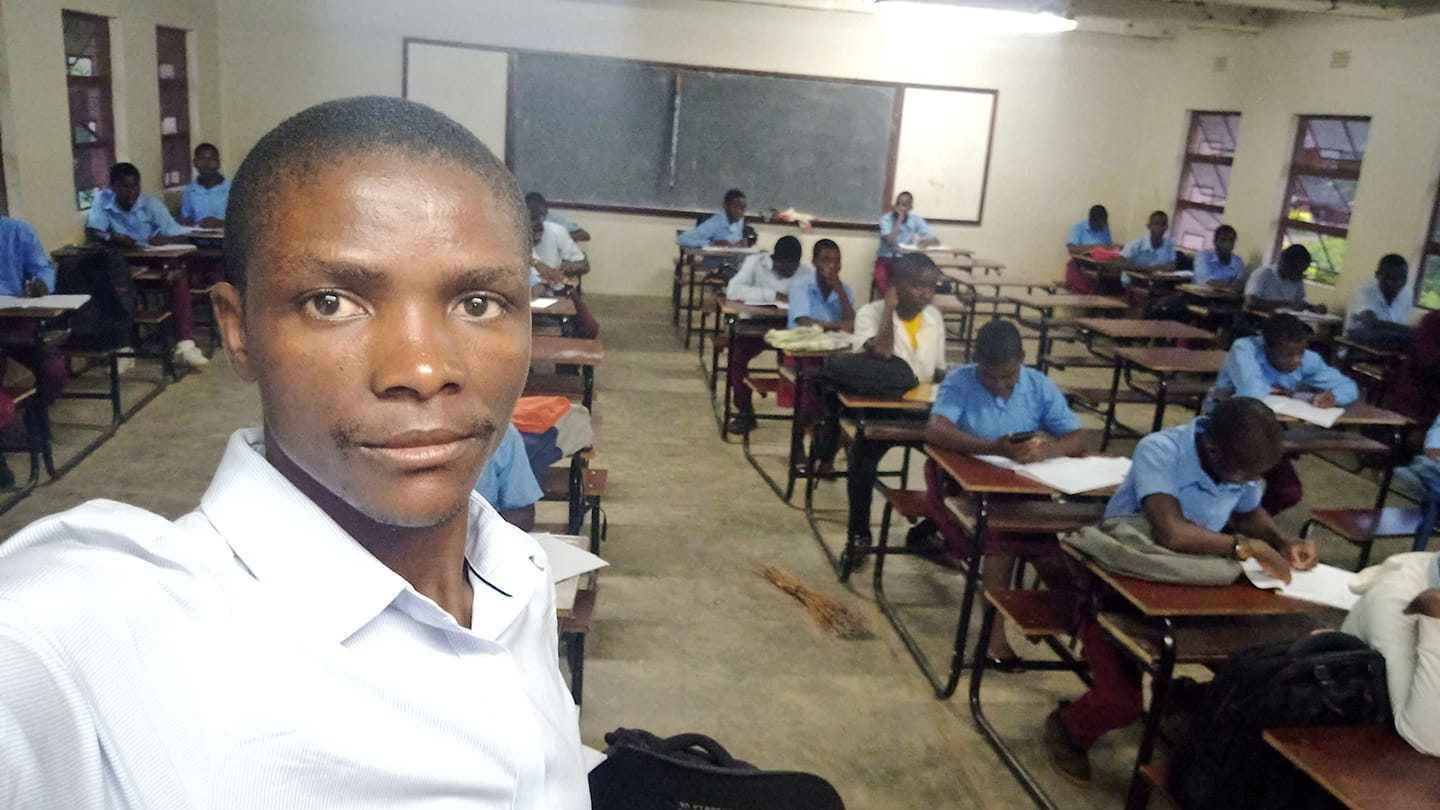
Nthalire's schools continue to grapple with overcrowded classrooms, a shortage of qualified teachers, and limited learning materials. It is not uncommon to find more than a hundred pupils sharing a single classroom built for half that number, with some sitting on the floor for lack of desks. Teachers describe the strain of trying to give each learner individual attention under such conditions, admitting that many bright students fall behind simply because the system cannot keep pace with demand.
Poverty compounds the problem. Many families in the area depend on subsistence farming, and when the harvest is poor, school fees, uniforms, and even basic stationery become out of reach. Some children are forced to stay home to help with farm work or to look after younger siblings, interrupting their education for weeks or months at a time. Girls, in particular, face added pressure, with early marriage and household responsibilities often cutting their schooling short.
Despite these challenges, community members and local leaders in Nthalire have not given up hope. Parent-teacher associations have been mobilising to construct additional classroom blocks, while a handful of non-governmental organisations have begun piloting bursary schemes to support the most vulnerable learners. Teachers, too, speak of a quiet determination among their students — many of whom walk the long distance each day precisely because they believe education is their clearest path out of hardship.
Education officials in Chitipa district say more investment is needed to improve infrastructure, teacher housing, and access to scholastic materials in remote areas like Nthalire. Until then, the resilience of these students — walking miles each day in pursuit of a better future — remains one of the most striking stories to come out of this quiet corner of northern Malawi.
Struggling to Learn: The Uphill Journey of Students in Nthalire, Chitipa
August 19, 2026
 ← Back to Articles